Choosing the right pallet type directly affects logistics costs, operational efficiency and long term profitability. Many businesses still rely on traditional pallets without evaluating their true lifetime cost. As supply chains evolve, bamboo pallets are increasingly compared with traditional pallets to determine which option delivers better savings over time. This article breaks down bamboo pallets vs traditional pallets from a cost perspective.
Understanding Bamboo Pallets and Traditional Pallets
Bamboo pallets are manufactured using engineered bamboo boards sourced from fast growing bamboo. They are designed for durability, consistency and sustainability.
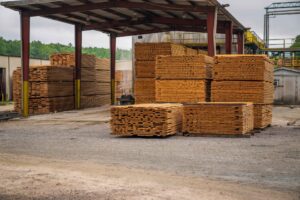
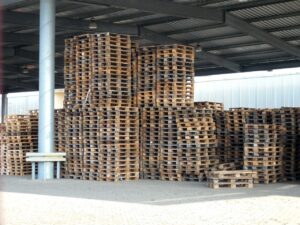
Traditional pallets typically refer to wooden pallets made from softwood or hardwood timber and are widely used due to low initial cost.
Initial Purchase Cost Comparison
Traditional pallets usually have a lower upfront price, making them attractive for short term or one time use. Bamboo pallets may cost slightly more initially due to engineered production and material quality.
However, focusing only on purchase price often hides significant long term expenses.
Lifespan and Replacement Frequency
Traditional wooden pallets are prone to cracking, warping and breakage. Frequent repairs and replacements increase operating costs.
Bamboo pallets have a longer usable life and maintain structural strength under repeated handling. Fewer replacements mean lower long term expenditure.
Cost advantage: Bamboo pallets
Maintenance and Repair Costs
Wooden pallets require regular nail fixing and board replacement. Labor and downtime add hidden costs.
Bamboo pallets need minimal maintenance and can be repaired when required, reducing ongoing expenses.
Cost advantage: Bamboo pallets
Export Compliance and Regulatory Costs
Traditional wooden pallets used for export must meet ISPM 15 requirements through fumigation or heat treatment. These treatments increase cost and documentation workload.
Bamboo pallets are generally classified as processed materials and are typically exempt from ISPM 15 treatment, saving compliance and handling costs.
Cost advantage: Bamboo pallets
Product Damage and Loss Reduction
Weaker or inconsistent traditional pallets can lead to load shifting and product damage during transport.
Bamboo pallets offer consistent strength and stability, reducing cargo damage, insurance claims and returns.
Cost advantage: Bamboo pallets
Impact of Climate and Storage Conditions
Traditional pallets absorb moisture in humid environments, leading to faster deterioration.
Bamboo pallets perform better in humid and monsoon prone conditions when properly treated, extending their usable life.
Cost advantage: Bamboo pallets
Sustainability and Brand Value Impact
While sustainability may seem intangible, it increasingly affects business value. Traditional pallets rely on slow growing timber and may not meet sustainability expectations.
Bamboo pallets support renewable sourcing and carbon reduction goals, strengthening brand reputation and long term business relationships.
Indirect cost advantage: Bamboo pallets
Which Pallet Saves More Money Over Time?
Traditional pallets may appear cheaper in the short term, but frequent replacements, maintenance, export compliance and product damage increase overall costs.
Bamboo pallets save more money over time by offering longer lifespan, lower maintenance, export readiness and improved logistics efficiency.
Conclusion
When comparing bamboo pallets vs traditional pallets, bamboo pallets clearly deliver greater long term savings. Businesses that evaluate total cost of ownership rather than upfront price are increasingly choosing bamboo pallets as a smarter and more cost effective logistics solution.