Bamboo Biofuel Briquettes are steadily emerging as a reliable, low-cost alternative to traditional fuels like coal and firewood. As energy costs rise and environmental concerns become more immediate, individuals and small businesses are exploring practical ways to produce cleaner-burning fuel using locally available materials.
This growing interest is not limited to industrial setups. Across rural communities and urban workshops alike, bamboo waste is being transformed into compact, efficient briquettes that burn longer and produce less smoke. The process is accessible, scalable, and rooted in simple principles that anyone can understand with the right guidance.
Why Bamboo Briquettes Are Gaining Attention
Bamboo has long been valued for its strength and rapid growth, but its potential as a fuel source is only recently being fully realized. When converted into briquettes, bamboo offers a consistent and high-energy output.
Compared to loose biomass, briquettes are easier to store, transport, and use. They burn more evenly and reduce the need for constant refueling. For households and small industries, this translates into both convenience and cost savings.
There is also an environmental advantage. Using bamboo waste or byproducts reduces reliance on cutting trees for firewood and helps manage agricultural residue more effectively.
Understanding the Basic Concept
At its core, making bamboo biofuel briquettes involves compressing carbon-rich material into solid blocks using a binding agent.
The process typically includes three stages:
Preparing the raw bamboo material
Converting it into charcoal or fine biomass
Compressing it into briquette form
While machines can speed up production, small-scale briquettes can also be made using manual methods.
Materials and Tools Required
Before starting, it helps to organize the necessary materials:
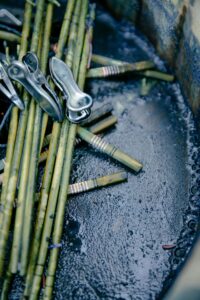
Dry bamboo waste such as chips, dust, or small pieces
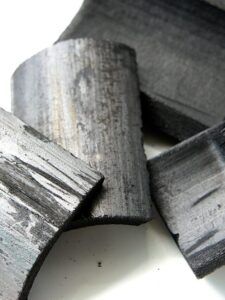
Charcoal made from bamboo or raw bamboo powder
A binding agent such as starch, clay, or paper pulp
Water
A mixing container
A mold or briquette press
A drying area with good sunlight
The choice between raw bamboo and bamboo charcoal depends on the intended use. Charcoal-based briquettes typically burn cleaner and longer.
Step-by-Step Process to Make Bamboo Biofuel Briquettes
1. Prepare the Raw Material
Start by collecting bamboo waste and ensuring it is completely dry. If using larger pieces, crush or grind them into smaller particles.
For higher-quality briquettes, convert the bamboo into charcoal first using a controlled heating method.
2. Create the Binding Mixture
In a separate container, prepare a natural binder. Starch mixed with water is a common and effective option.
Heat the mixture slightly to activate the binding properties, then allow it to cool to a workable consistency.
3. Mix the Components
Combine the bamboo material or charcoal powder with the binder. Mix thoroughly until the texture becomes uniform and slightly sticky.
The mixture should hold its shape when pressed without being too wet.
4. Shape the Briquettes
Use a mold or press to shape the mixture into briquettes. Common shapes include cylindrical or pillow-like forms.
Apply firm pressure to ensure the briquettes are compact. This improves burning efficiency and durability.
5. Dry the Briquettes
Place the shaped briquettes in a well-ventilated area under direct sunlight. Drying usually takes several days depending on weather conditions.
Proper drying is essential. Moist briquettes produce more smoke and burn less efficiently.
6. Store for Use
Once completely dry, store the briquettes in a dry place. They are now ready to be used as fuel for cooking, heating, or small industrial applications.
Practical Tips for Better Results
Experience often makes the biggest difference in briquette quality. A few practical adjustments can improve outcomes significantly.
Use fine particles for smoother and stronger briquettes
Maintain the right binder ratio to avoid crumbling
Ensure consistent pressure during shaping
Dry thoroughly before storage
Small refinements in each step can lead to a noticeable improvement in performance.
Common Challenges and How to Handle Them
Like any hands-on process, making bamboo biofuel briquettes comes with a learning curve.
Briquettes breaking easily
This usually indicates insufficient binder or low pressure during shaping.
Excess smoke during burning
This may result from incomplete drying or using raw bamboo instead of charcoal.
Low heat output
This can occur if the mixture is not dense enough or contains too much moisture.
Understanding these issues early helps in refining the process over time.
Real-World Applications and Growing Demand
Across many regions, small entrepreneurs are turning bamboo biofuel briquettes into viable businesses. From supplying local households to supporting small food vendors, the demand for cleaner and affordable fuel is steadily increasing.
In areas where bamboo is abundant, this approach creates a circular system. Waste materials are reused, energy is produced locally, and reliance on external fuel sources is reduced.
Even at a household level, families are finding that briquettes offer a dependable alternative to traditional cooking fuels.
Environmental and Economic Impact
The shift toward bamboo briquettes reflects a broader awareness of sustainable energy solutions. By using renewable resources and minimizing waste, this method supports both environmental and economic goals.
Lower emissions, reduced deforestation, and better waste management are just some of the benefits. At the same time, the low setup cost makes it accessible for individuals and small groups.
Final Thoughts
Learning how to produce bamboo biofuel briquettes is more than a technical skill. It is a step toward energy independence and responsible resource use.
The process itself is straightforward, but the impact can be significant. Whether used at home or scaled into a small venture, bamboo biofuel briquettes represent a practical and forward-looking solution in today’s evolving energy landscape.
For those willing to experiment and refine their approach, the results are both useful and sustainable.